
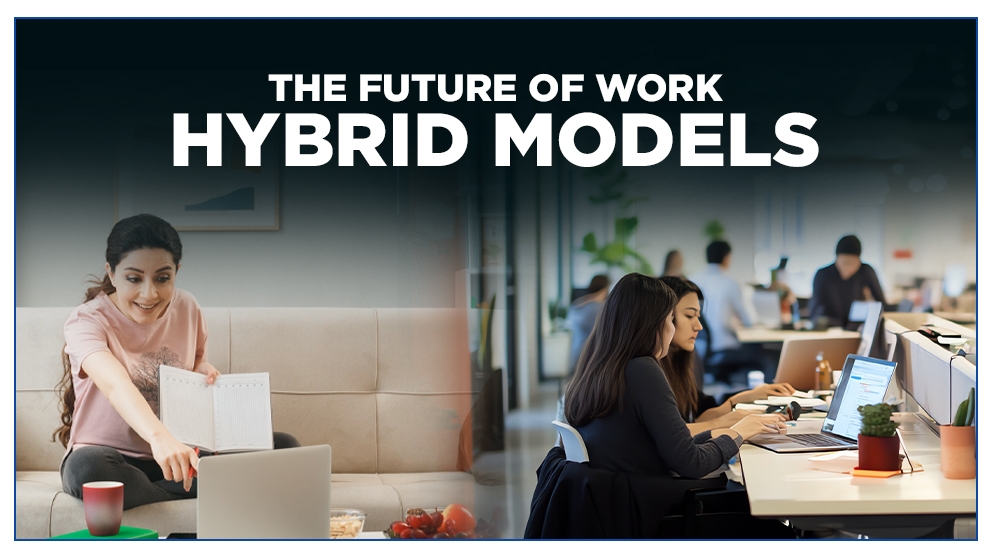
Work as we know it has changed forever. The rigid 9-to-5 office model is no longer the only way businesses operate. Instead, hybrid work models - a balance of remote and in-office work - are becoming the future of business.
For employees, hybrid models bring flexibility. They can save commuting time, balance personal responsibilities, and work more productively in environments that suit them. For businesses, hybrid setups reduce costs on office infrastructure and utilities, making them more financially sustainable.
Contrary to the old belief that working from home reduces productivity, research shows the opposite. Employees report higher focus and efficiency when given autonomy. Businesses that adopt hybrid models also benefit from lower attrition, improved engagement, and stronger talent retention.
The pandemic highlighted the importance of mental health. Hybrid work directly supports employee well-being by providing choice, reducing burnout, and fostering healthier work-life balance. When employees are healthier and happier, businesses reap the benefits in the form of loyalty and output.

Adopting a hybrid model is not just about following a trend; it’s about future-proofing your business. Clients, employees, and stakeholders expect modern, flexible approaches. Companies that resist risk falling behind.